2024
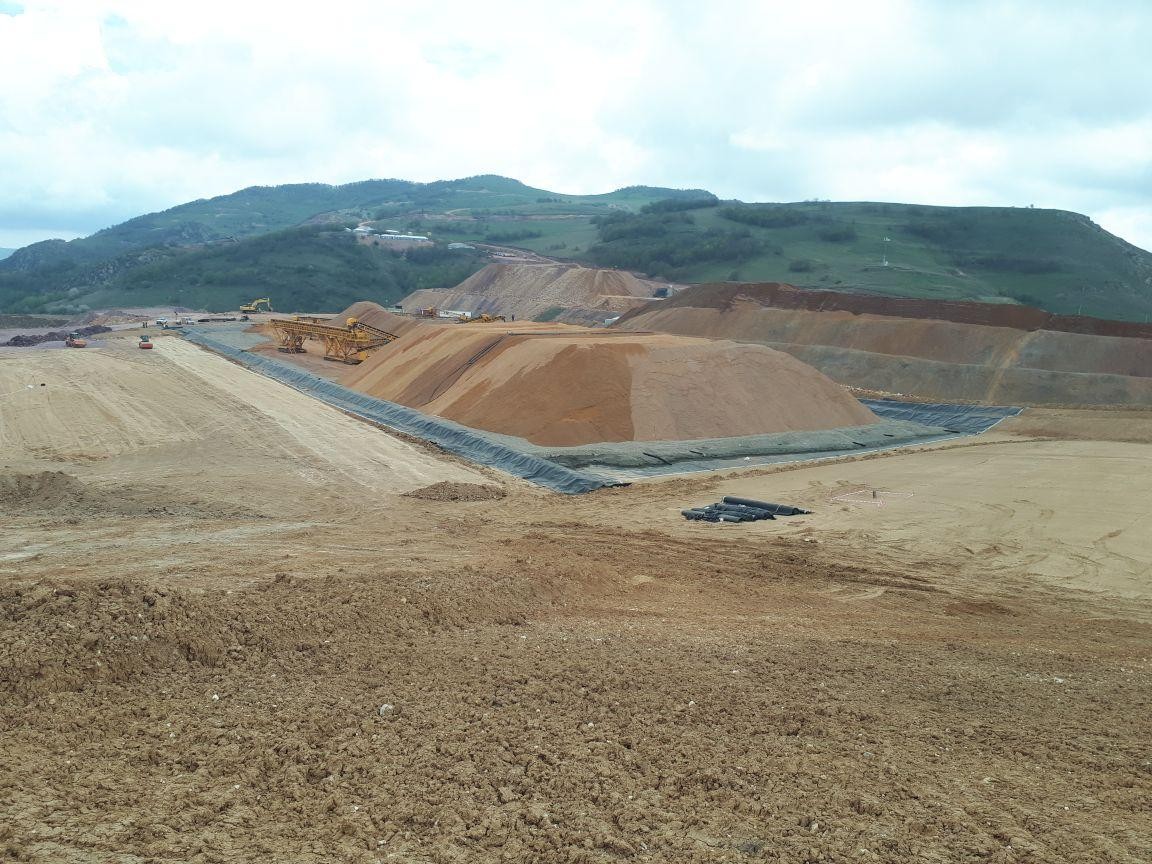
Goranboy rayonu Mənəş kəndində gips mədən işləri
Yeni texnika parkı ilə karyerdə hasilat işlərinə start verilib.
Xəbərlər
Azərbaycan Respublikasında 2026-cı ilin “Şəhərsalma və Memarlıq İli” elan edilməsi haqqında Prezident Sərəncamı.
Rəsmi sərəncam
22 dekabr 2025, 13:10
Sərəncamın rəsmi mətni ingilis dilində təqdim olunur.
Azerbaijan has a rich centuries-old history of urban planning and architectural traditions. Valuable architectural monuments have played an exceptional role in shaping the unique image of our large cities, located on the Silk Road and as important centers of trade, craftsmanship, and culture, which established close economic, political, and cultural ties with Eastern countries.
Our historical cities, which are clear examples of Azerbaijani urban planning and architectural art and have always been distinguished by their high level of development, have grown and expanded in accordance with the architectural trends of past eras, while preserving the main characteristics of local culture.
Today, state-protected defensive fortresses, caravanserais, mosques, temples and tombs throughout the country reflect the bright traditions of national architecture. Among the world-famous historical and cultural monuments that inspire pride in terms of the perfection of their artistic and architectural solutions, the Momina Khatun Mausoleum, the Khudaferin Bridge, the “Ateshgah” complex and other such unique examples have become symbols of Azerbaijani architecture.
Our rare treasures included in the UNESCO World Heritage List — the Old City and the Palace of the Shirvanshahs, which embody the urban culture of ancient and medieval times, the Maiden Tower, which still preserves its majestic spirit, the historical center of Sheki and the Khan's Palace — are relics that occupy a worthy place among the world pearls of Azerbaijani urban planning and architecture.
The work of the great artist Ajami Nakhchivani, whose 900th anniversary is included in the list of great personalities whose jubilees are celebrated within the framework of UNESCO, is the highest peak of the architectural school of the period, and has had a strong influence on the medieval architecture of Azerbaijan and the Middle East.
Certain changes were already reflected in the planning structure and architectural style of Azerbaijani cities towards the middle of the 19th century. It was from that time that the rapidly industrializing city of Baku began to take on its unique appearance, a synthesis of ancient and modern architecture.
In the 20th century, special attention was paid to the creative use of national traditions in urban planning and architectural activities in the Republic of Azerbaijan. During this period, a number of cities were rebuilt and their previous appearance changed, and urban planning in the regions was emphasized. That period, in which the activities of two prominent architects — Mikayil Huseynov and Sadig Dadashov — took a leading place, was characterized by the creation of a new architectural style on the basis of national traditions.
The years when the National Leader Heydar Aliyev led the republic constitute a special stage in the development of Azerbaijani urban planning and architecture. During these years, on the initiative of the Great Leader, important decisions were made and measures were implemented regarding the preservation of historically formed Azerbaijani cities and entire urban planning systems, planned work was carried out on the restoration of architectural monuments in cities, and institutional institutions were established to ensure the sustainability of architectural and urban planning activities.
After Azerbaijan regained its independence, new manifestations in the field of urban planning have been clearly manifested in the architectural solutions of monumental complexes built in the country. Over the past period, thanks to the implementation of projects reflecting the advanced approaches of the time and national experiences, original examples of urban planning art with high moral and aesthetic impact have been created. With the addition of unique architectural monuments of modern style such as the Heydar Aliyev Center, the Flame Towers, which are a symbol of constant renewal, and the White City complex, the landscape of the capital has become even richer, and the architectural image of the regions has changed significantly and taken on a new shape.
Today, the socio-economic development strategy of the Republic of Azerbaijan identifies ensuring balanced development of the capital and regions and promoting sustainable settlement, as well as compliance with the United Nations Sustainable Development Goals, as priority areas of architectural and urban planning activities.
In the territories occupied by Armenia and devastated for thirty years, the large-scale reconstruction and construction works that revive life with the application of innovative approaches following the Victory in the 44-day Patriotic War clearly demonstrate the comprehensive vision of the Azerbaijani state towards architecture and urban planning. In these territories, which were declared a “green energy” zone in accordance with the First State Program on the Great Return, in 2020-2025 — in a short period of time rarely seen in the world architectural and construction experience — planning documents were prepared and construction work began on more than 100 settlements, including 12 cities. The revival of the city of Shusha, the cultural capital of Azerbaijan and the source of pride of our people, by restoring its former architectural environment and true historical face, is a manifestation of national will.
Our country is recognized as a reliable partner in addressing global challenges related to climate change and urban development, and in developing innovative approaches. Joint initiatives with the United Nations Human Settlements Programme (“UN-Habitat”) and national urban planning forums, where architects come together in this framework, are successful examples of Azerbaijan's joint activities with international partners. The decision to hold the Thirteenth Session of the UN World Urban Forum (WUF13) in Baku in 2026 demonstrates Azerbaijan's growing role in sustainable urban development processes.
Guided by paragraph 32 of Article 109 of the Constitution of the Republic of Azerbaijan, in order to preserve the centuries-old traditions of urban planning and architectural culture of Azerbaijan, as well as to promote and expand the application of progressive approaches that respond to new challenges in this field in the country, I decide:
İlham Əliyev
Azərbaycan Respublikasının Prezidenti
Bakı şəhəri, 22 dekabr 2025
Şirkət xəbərləri
2024
Yeni texnika parkı ilə karyerdə hasilat işlərinə start verilib.
2021
Norm ASC üçün hematit yatağında hasilat və daşınma işləri icra olunub.
2026
Şirkət 2026-cı il üzrə yeni infrastruktur və tikinti layihələrinə start verir.